

Learn what conduit is, where it is used, and how to choose the right conduit for safe cable protection.
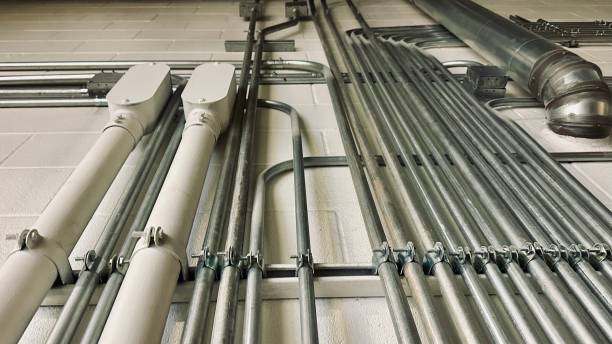
Conduit
Electrical systems rely on proper cable protection to support safety, durability, and long-term performance. In many residential, commercial, and industrial settings, a protective tubing system helps shield wires from physical damage, moisture, dust, and other environmental factors. It also supports a neater installation and can make maintenance more manageable over time.
In simple terms, conduit is a protective tube used to route and safeguard electrical wiring. It is commonly installed in buildings, factories, infrastructure projects, and outdoor applications where exposed cables may face impact or harsh conditions. Depending on the environment, the material and specification selected can influence durability, compliance, and ease of installation.
Common Applications
This type of wiring protection is widely used across a range of projects. In residential buildings, it may be installed in walls, ceilings, and service areas to organize and protect electrical cables. In commercial properties, it is often used in structured electrical systems where orderly routing and future access are important. Industrial sites may require heavier-duty options due to exposure to vibration, heat, or mechanical stress.
The use of conduit is also common in areas where cables need additional protection from accidental contact or external wear. Outdoor installations, for example, often demand products that can withstand weather conditions and support reliable performance over time. In these cases, choosing the correct type is just as important as the installation itself.
Benefits of Proper Selection
A well-specified cable protection system can contribute to a safer and more durable electrical setup. It helps reduce the risk of wire damage, supports cleaner cable management, and may simplify inspection or replacement work in the future. It can also provide an added level of protection in spaces where wiring is exposed to movement, pressure, or other environmental challenges.
Another practical advantage is compliance. Many projects require materials and installation methods that align with relevant electrical standards and site conditions. Selecting the right conduit can help installers and project teams meet those requirements while maintaining consistency across the electrical system.
What to Consider Before Buying
Before choosing a product, it is important to assess the installation environment, required size, material type, and any applicable standards. Indoor and outdoor projects may have different performance needs, and industrial settings may require stronger resistance to wear or corrosion. Project scope also matters, as cable volume and routing complexity will affect the size and type needed.
Buyers should review product specifications carefully and consider how the material will perform during installation and throughout its service life. In many cases, conduit should be selected not only for immediate practicality but also for long-term suitability within the full electrical system.
Overall, conduit remains an important part of modern electrical installations because it helps protect wiring, supports organisation, and contributes to safer project outcomes. For contractors, builders, and procurement teams, understanding the application and technical requirements is the best starting point when selecting conduit.
More from us